NSG Ziegeleigrube Ennigloh

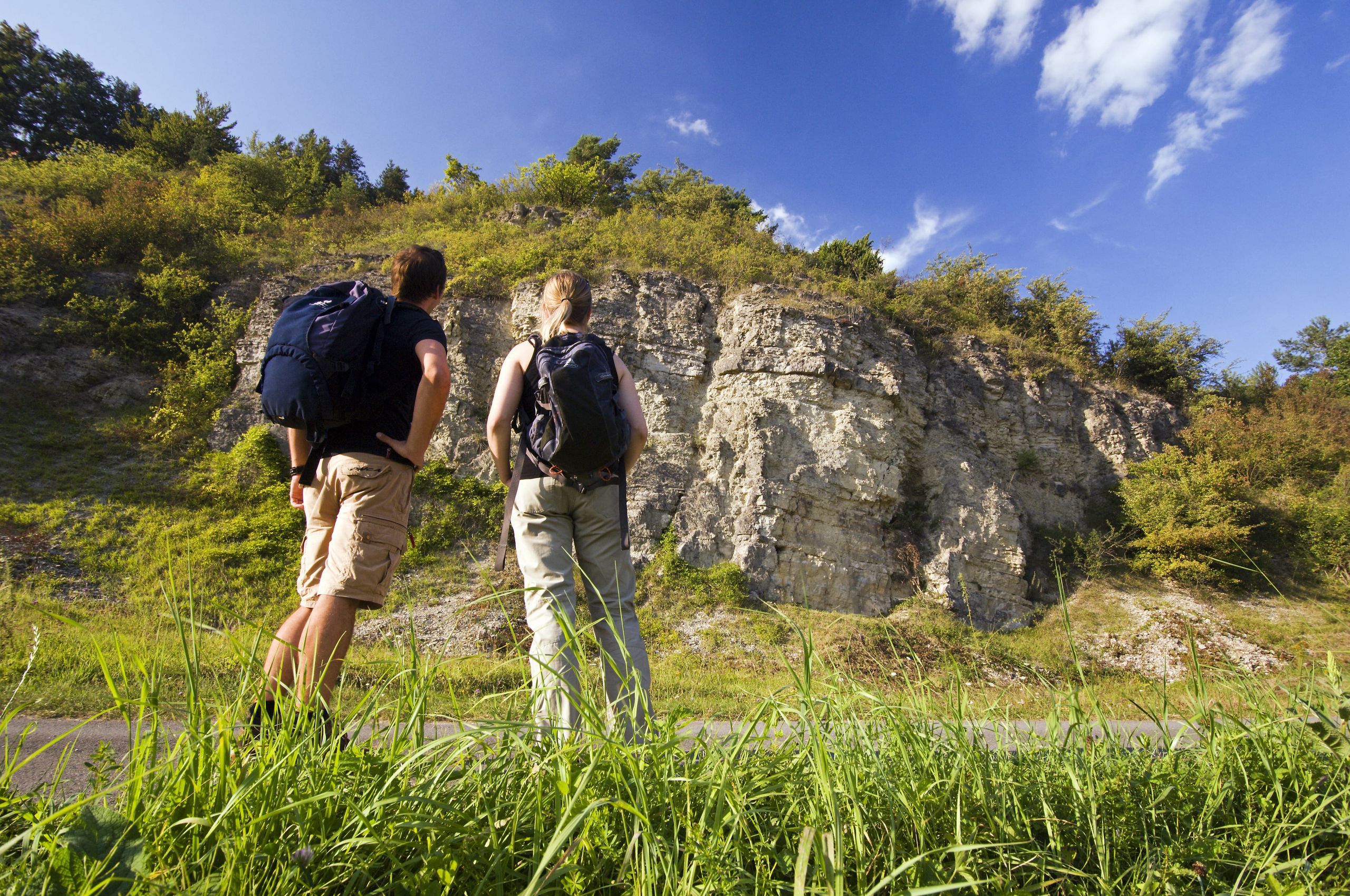
After its founding in 1899, the brickworks in the Ennigloh district of Bünde remained in operation until World War II. In 1969, the company was forced to file for bankruptcy. In 1974, ownership was transferred to the “Waste Disposal” special-purpose association, which consisted of a total of 10 municipalities and the Herford district. A heated debate ensued over whether this site should really be used as a landfill. Bünde residents protested against this use and advocated for the brick pit to be designated a nature reserve—with success. The site was removed from the waste disposal plan, and the pit was transferred to the Herford district. Since 1994, the old brick pit has been a nature reserve (NSG) featuring two ponds, numerous tree and shrub species, tall perennials, and a diverse population of insects and amphibians.
Further information can be found on the website of the Ravensberg Biological Station.

Good to know
Payment methods
- Entrance Free
Directions & Parking facilities
- The Ziegeleigrube Ennigloh Nature Reserve is located northwest of Bünde-Ennigloh. It consists primarily of a former clay pit. The area covers 4.5 hectares. To the east, the area borders a clay pit that is still in use; to the west, it borders a railroad embankment. To the south, the nature reserve is bordered by an industrial area, and to the north, it adjoins the Darmühlenbach valley, which is largely used as grassland.
Nearby






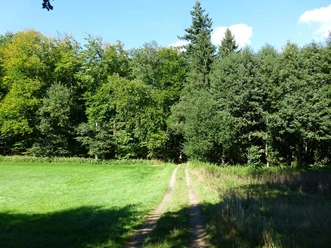
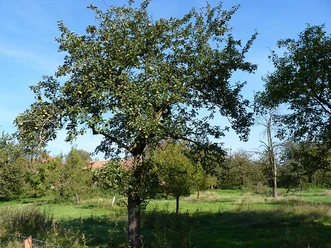

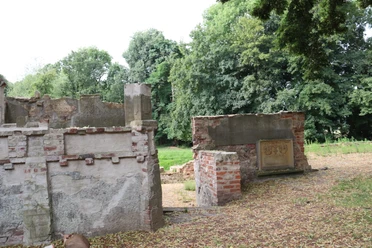
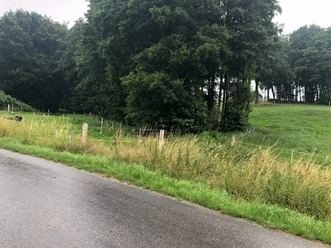
Photo Gallery