Nethequelle-Neuenheerse


The Nethe springs and their course in the Neuenheerse area
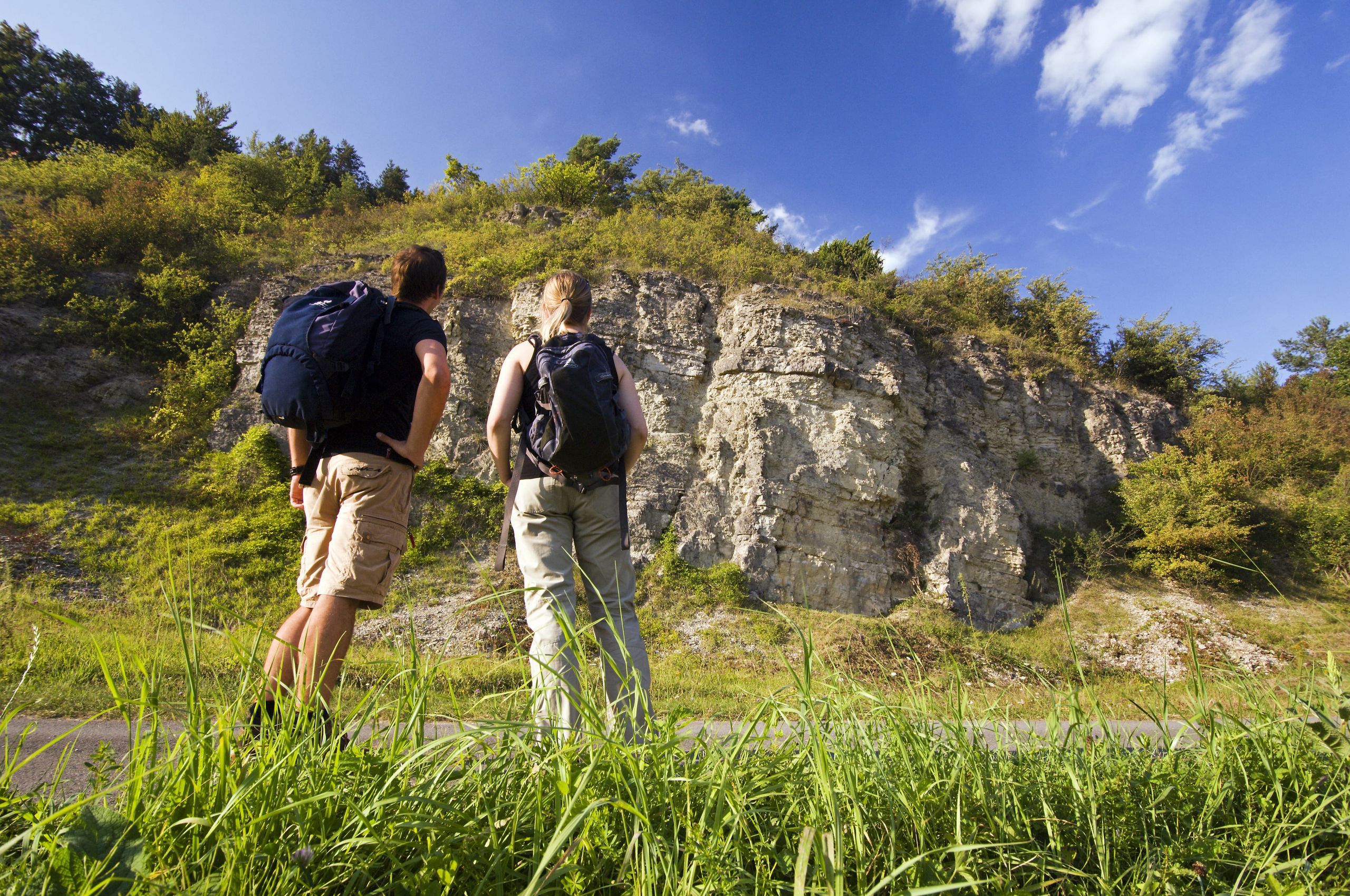
The Nethe mainly rises in the area of the Klusenberg, the southern foothills of which extend into the village. The main source of the Nethe has long emerged from the limestone rock of the mountain promontory, around which the historic settlement of Neuenheerse gradually developed. In addition to the main spring, there are other springs such as the Crullsbrunnen and smaller secondary springs, which used to supply water to various buildings and facilities via simple pipe systems.
Until the early 20th century, the Nethe was used to supply the village with drinking water. With the expansion of the water pipes and later changes to the water quality, the water was occasionally chlorinated. During periods of heavy rainfall, the spring water can take on a yellowish tinge due to the calcareous subsoil.
In the 1920s, the area of the main spring was altered during roadworks. It was only after the access was acquired by the municipality that the spring was reclaimed and the surrounding area redesigned according to plans drawn up by the then district bailiff Möller. This included a new sandstone vault, a bordered stream and paths. The slope was planted with shrubs and seating was added so that the area is now used as a small recreational area.
A striking element in the area of the spring is the statue of St. John of Nepomuk, created in 1767, which is now located on the bridge near the former water intake point. The statue was created by sculptor Johannes Gotfried Buch and has been moved several times, particularly after road expansions in the 20th century.
On its further course through Neuenheerse, the Nethe feeds the moat of the former abbey and receives tributaries, including from the Silbergraben, Weihenteich and Hunnebieke. These tributaries historically contributed to the use of water resources by mills and ponds. Changes in the water level, for example in the dry years of 1959 or during heavy rainfall, regularly affected the usability of paths and bridges. These problems were reduced by canalization measures in the 1960s.
Behind the Untere Mühle, the Nethe leaves the village area and continues to flow eastwards through several villages, including Willebadessen, Fölsen, Niesen, Siddessen, Rheder, Riesel, Brakel, Erkeln, Beller, Hembsen, Bruchhausen, Ottbergen and Ameluxen, before flowing into the Weser at Godelheim.
Good to know
General information
Parking Available
Bus stop available
Payment methods
- Entrance Free
Directions & Parking facilities
- By car
From Bad Driburg, the route initially leads about 700 meters along Dringenberger Straße. The route then follows the L954 in the direction of Neuenheerse. In Neuenheerse, follow Gemmekestraße for another 160 meters until you reach Am Netheborn. The Nethe spring is located there.
By bus
If you would like to travel to the Nethequelle by bus, you can get off at the bus stop "Bad Driburg, Gymnas. St. Xaver" bus stop. From there, take bus 542 in the direction of Buke. Get off at the bus stop "Bad Driburg-Neuenheerse, Wendeplatz". From there it is only a few minutes' walk to the Nethequelle. License (master data)
Bad Driburger Touristik GmbH

Nearby



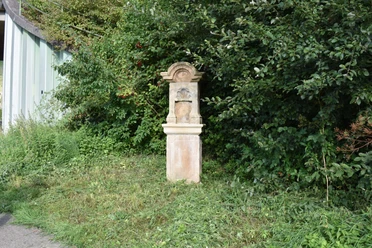
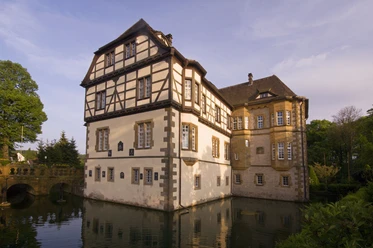
Photo Gallery