Stadtwüstung Blankenrode


Historical site
What is probably the most striking deserted town in Central Europe is located near what is now the village of Blankenrode in Lichtenau.
In the middle of the 13th century AD, the border fortress "Blankenrode" was built on the mountain spur of the Südegge. Prince-Bishop Simon I of Paderborn and the abbot of Corvey Abbey wanted to use this fortress town to demarcate their sphere of influence from the Count of Waldeck. The old royal road led through the town from west to east. Today it is called the "Warburger Weg" and a double central wall divided the castle town: the farmers and craftsmen lived in the western part, knights and castle men in the eastern part. The strong circular fortification on the hilltop was the town's most secure structure. The bailiff lived there.
In 1321 AD, the Blankenrode town councillors, a town judge and the town seal were mentioned. As a border fortress, the town itself was often fought over, partially destroyed, rebuilt and reinforced. In 1390, Blankenrode was completely burnt down and devastated in the turmoil of the "Bengeler Feud".
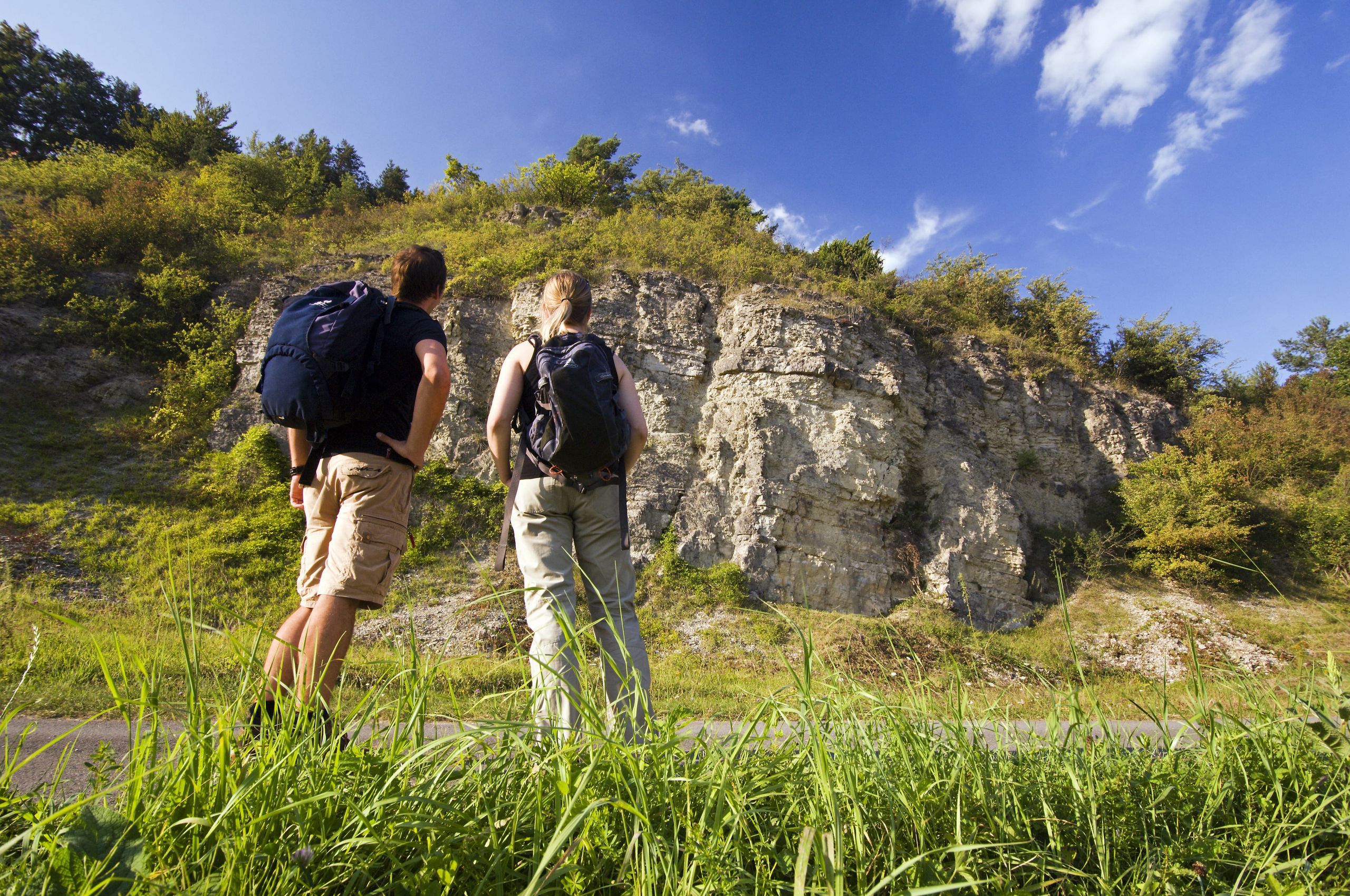
The remains of the ramparts and walls, which are still overgrown with forest, can still be seen today.Since May 2019, the Teutoburg Forest/Egge Mountains Nature Park's "KinderErlebnisWelt" project has been running an audio museum in the ruins. The medieval town comes alive again:
At twelve locations, visitors can immerse themselves in the deepest Middle Ages - more precisely in the year 1390 when the town of Blankenrode was abandoned and fell into desolation. "Even from today's perspective, the desolation is still an exciting historical event that has not been fully clarified," says concept developer and archaeologist Dr. Georg Eggenstein.
Desolation means that a settlement or town was abandoned or deserted.
Agnes and Konrad, two children from the old town of Blankenrode, take visitors on a special museum journey, accompanied by typical sounds that match the location. The hammering of a blacksmith, the clattering of horses' hooves and the clamour of the market help visitors to imagine life over 600 years ago, even if all that remains of the town itself are the ramparts.
Further information: here


Good to know
General information
Parking Available
Payment methods
- Entrance Free
Directions & Parking facilities
- Parking lot to the hearing museum Blankenrode
Nearby

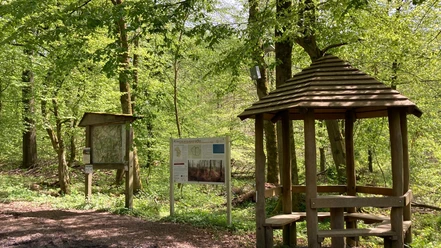


Photo Gallery