Bauernburg

The Stapelage estate was a tempting target for robbing and plundering hordes, as it was not far from the major spa road through the Teutoburg Forest, the Dörenschlucht gorge and right at the entrance to the Stapelager Schlucht gorge. The Meierhof with its church and vicarage was converted into a defensive structure. A stone fortress (Bauernburg) was located to the left opposite the main house of the estate. To the east of the mill pond was a fortified mill. Another peasant castle has been preserved to this day and, as already mentioned, stands on the vicarage. It is a two-storey building enclosed by thick walls. There are several embrasures (openings that are wide on the inside and form a narrow slit on the outside) in the masonry.

Good to know
Payment methods
- Entrance Free
Directions & Parking facilities
- Near the Stapelage church.
Nearby





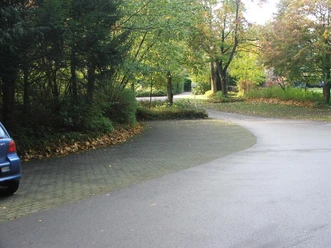
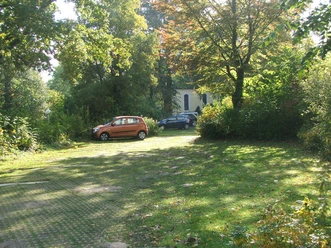
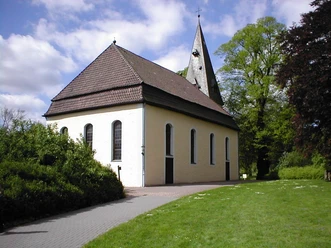
Photo Gallery