Historic church square Delbrück


The historic church square in Delbrück looks back on a long and eventful history. Documents and records from the parish suggest that a so-called “Rundling”—an early fortification—once stood here. The church was later built in its center. The historic court site “vor dem Hagedorn” also points to the fortified character of the church square. It is presumed that thorny hawthorn hedges once protected Delbrück’s fortified church.
The buildings clustered tightly around the church square may have originated from earlier storage structures that once enclosed the square. As early as 1660, the first—and for a long time the only—school in the Delbrück region was located here. One of the oldest houses in Delbrück’s town center also stands on the church square: the building, dating from 1678, is now part of the square’s historic architecture.
Just outside the church ring stands the parsonage built in 1716 by Johann Conrad Schlaun. The Westphalian Baroque architect created a building that is now a listed historic structure and ranks among the most distinctive historic buildings on the church square. Until 1826, the area surrounding the historic church served as a cemetery.
The buildings clustered tightly around the church square may have originated from earlier storage structures that once enclosed the square. As early as 1660, the first—and for a long time the only—school in the Delbrück region was located here. One of the oldest houses in Delbrück’s town center also stands on the church square: the building, dating from 1678, is now part of the square’s historic architecture.
Just outside the church ring stands the parsonage built in 1716 by Johann Conrad Schlaun. The Westphalian Baroque architect created a building that is now a listed historic structure and ranks among the most distinctive historic buildings on the church square. Until 1826, the area surrounding the historic church served as a cemetery.
Good to know
General information
Parking Available
Bus stop available
Nearby





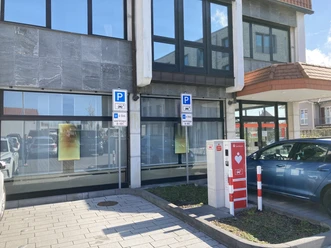
Photo Gallery